“It must be confessed that it takes considerable skill to produce the best kind of lies. It is in the hands of first-class photographers only—and perhaps the indifferent ones—that photography can lie.” -Henry Peach Robinson (1830-1901)
In On Photography (1984), Susan Sontag refers to the above quotation from pioneering photographer Henry Peach Robinson and says that “…photography is an art because it can lie.” If photographys ability to lie makes photographs art, what does AIs ability to tell even bigger lies make of the images it produces?
I take photographs partly because I can’t draw or I haven’t practised drawing. In painting I admire the idea of a blank canvas. The artist can put anything on it and compose an image without restrictions. AI offers this possibility to many of us.
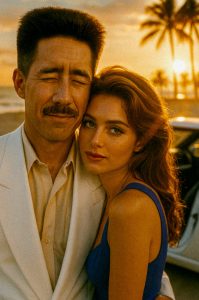
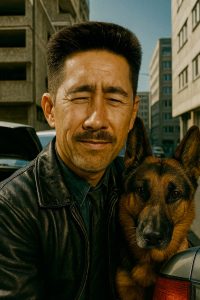
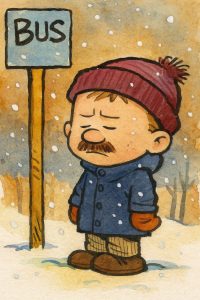
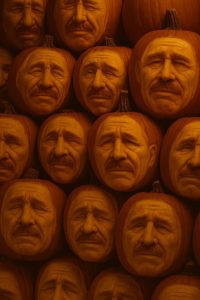
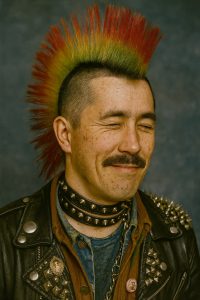
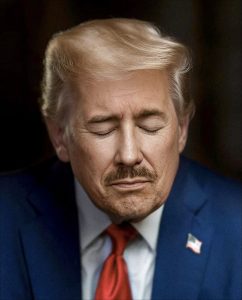
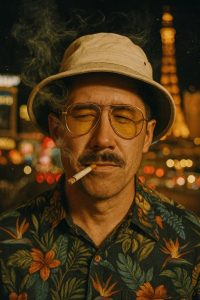
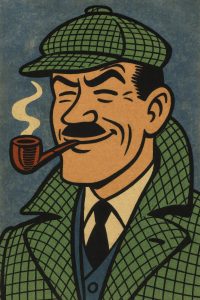
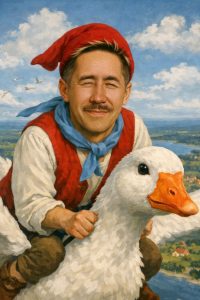
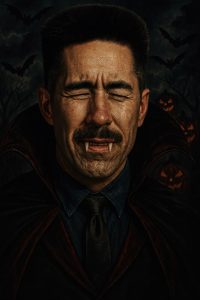
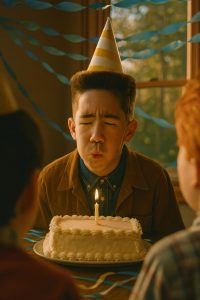
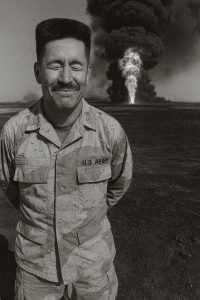
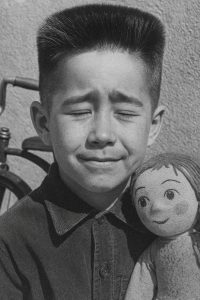
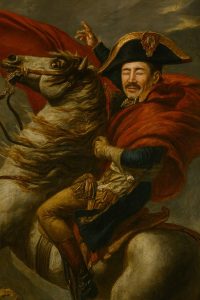
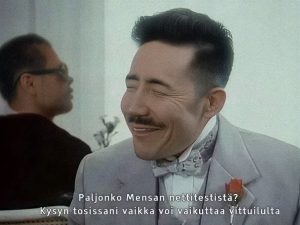
In this project, I place a character created (generated) by chance into other images. As the project has progressed, my process has developed as follows: I have coded a bot with its own phone number that monitors a particular social messaging app. Whenever the bot receives an image accompanied by a specific tag, it transfers the original photograph to my computer, where this reference character is incorporated into it. The resulting starting point for a work is then sent back to me as a reply to the original message.
In brief: I take a mirror selfie with my phone. I send it through the app with a particular caption, and few minutes later I receive an image of the project’s main character taking a mirror selfie in my clothes. The entire workflow runs away from the cloud and the depths of a data centre, on premises I manage myself. It runs on renewable electricity that I pay for at spot prices, and the heat it generates contributes to heating the space. The prompts and workflow are my own.
It is worth mentioning that the image sent back to me through the app is only an intermediate stage. I then edit the images to my liking, correcting errors and adding the details that finally make them look the way I want them to. For their final form, I want these images to be pigment prints on quality paper, behind museum glass and framed in black pine.
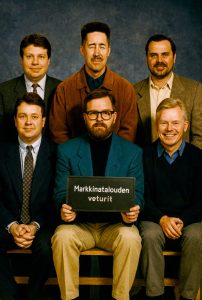
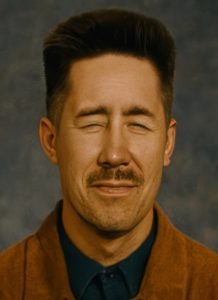
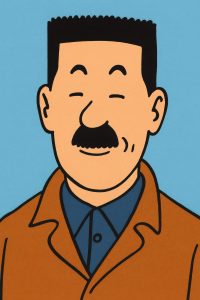
How did all this begin? I had taken photographs of my friends, all wearing very strange expressions. I wanted to turn these into a group portrait resembling a clichéd school staff photo from the 1990s. We are all around forty, so we represent the current driving forces of our market economy (in case you’re wondering about the sign used as the class identifier in the picture). The result was what so often happens with AI: a terrible image. The faces aren’t right, and so on. But one wonderful accident did happen: one of my friends had turned into such a funny-looking character that I wanted to start placing him in different situations. Happy accident!
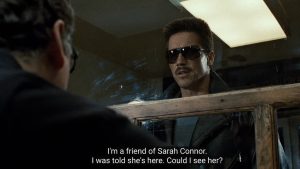
By placing this character in different settings, I use this project to ask whether there is anything left to trust and what makes an AI image art.